
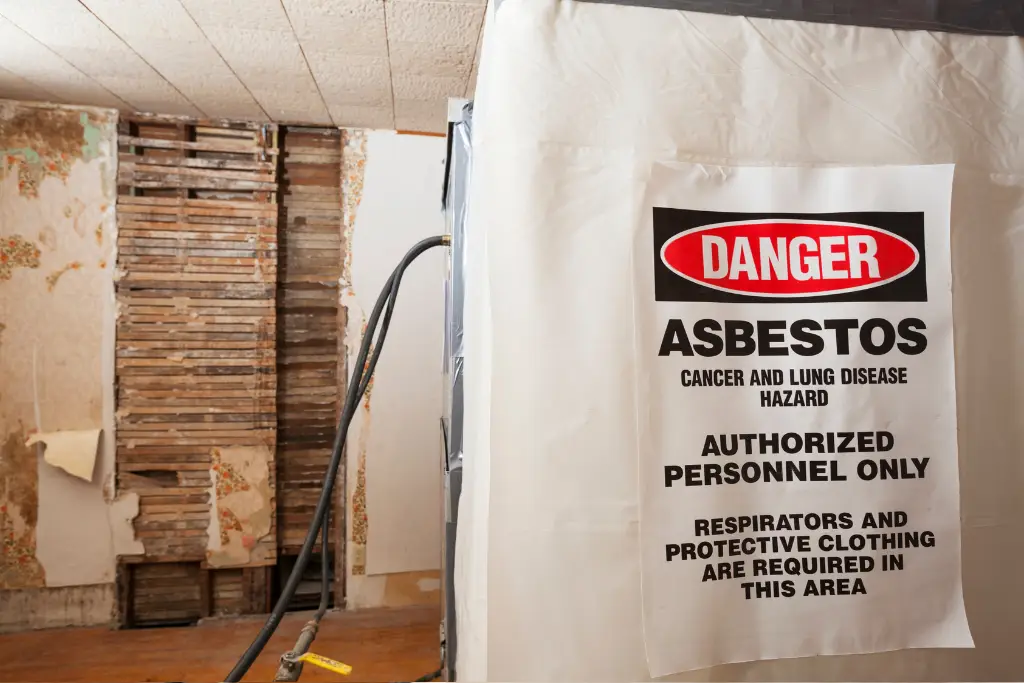
Asbestos-containing materials may still exist in certain areas if your home was built before the 1980s. Asbestos was commonly used in construction due to its fire-resistant and insulating properties, but it is now known to be a severe health hazard. ACM Services, Inc. is here to help guide you through where asbestos might be hiding in your home and the steps to take if you suspect it’s there.
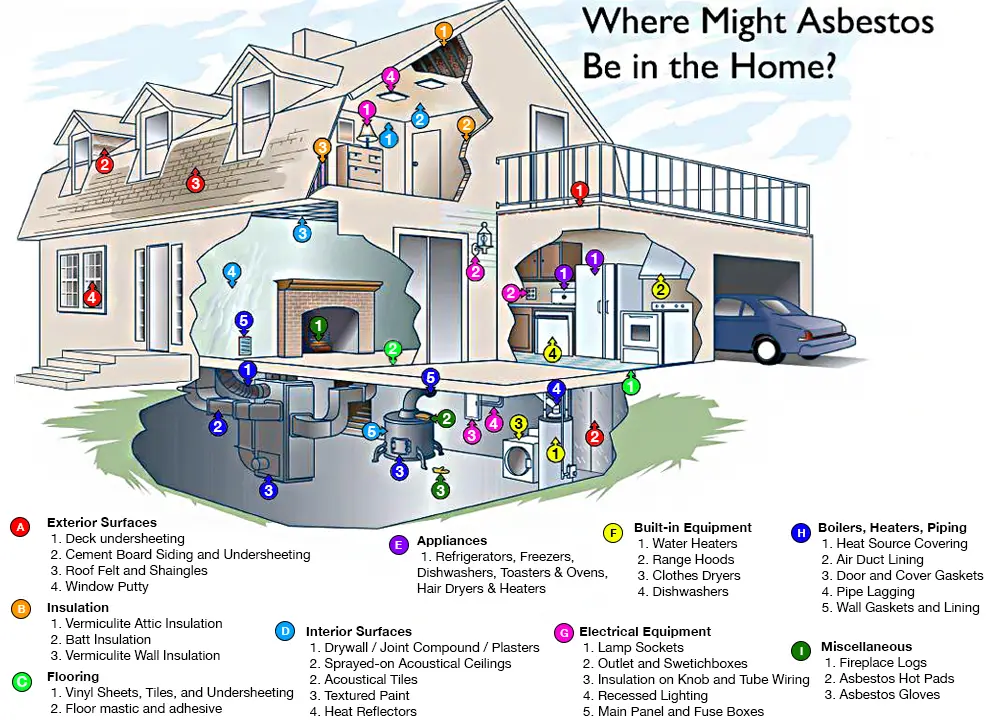
Where Asbestos Might Be Found in Homes
1. Insulation:
-
- Attic Insulation: Older homes may have asbestos-containing vermiculite insulation, which often looks like small pebbles that can fall and contaminate inner wall cavities.
-
- Pipe Insulation: Asbestos wraps were used around pipes to prevent heat loss, especially in basements, crawlspaces, and pipe chases along exterior perimeter.
-
- Duct Insulation: Often found wrapped around heating and cooling ducts in older homes and buildings, where it was commonly used for its heat-resistant and insulating properties.
-
- Boiler and Furnace Insulation: These systems, often located in basements or utility rooms, were commonly insulated with asbestos.
2. Roofing and Siding:
-
- Roof Shingles and Tar: Asbestos was frequently added to roofing materials due to its bonding qualities for durability.
-
- Cement Siding Shingles: Homes built or renovated during the mid-1900s may have cement siding that contains asbestos fibers.
3. Flooring:
-
- Vinyl Asbestos Tiles (VAT) and Sheet Flooring: Due to its high bonding and durability strength, asbestos was often used in vinyl tiles and their adhesives, making it a common material in older homes and buildings. It is particularly found in 9×9″ tiles but also in 12×12″ tiles and sheet flooring.
-
- Older Linoleum or Laminate Flooring: If your flooring dates back several decades, it may contain asbestos in both the surface and backing.
-
- Mastic / Adhesive: Commonly used in older buildings to secure tiles and other flooring materials, offering durability and bonding but posing a risk when disturbed during renovations or demolition.
-
- Wood Parquet Mastic: Parquet flooring is commonly found in older homes, particularly in living rooms, dining rooms, and hallways. The adhesive used in the flooring was asbestos, which provided strength and bonding.
4. Walls and Ceilings:
-
- Popcorn Ceilings: This popular textured ceiling style, used from the 1950s to 1980s, often contained asbestos.
-
- Drywall Joint Compound: The substance used to seal seams between drywall panels in older homes could also contain asbestos.
-
- Wall and Ceiling Plaster: Certain textured ceiling plasters use asbestos to enhance durability and safety.
-
- Textured Ceiling Plaster: Asbestos is used as a bonding agent for this decorative plaster throughout homes and buildings.
-
- Ceiling Tiles: Often found in basements, kitchens, or acoustic drop ceilings, where asbestos was used to enhance fire resistance and soundproofing qualities.
5. Other Areas:
-
- Fireplaces: Heat-resistant materials like asbestos millboards were used around fireplaces and hearths.
-
- Window Caulking & Glazing: Some older caulking materials used around windows and doorframes contained asbestos to improve durability and prevent leaks.
Steps to Take if You Suspect Asbestos
1. Avoid Disturbing the Suspected Asbestos: Asbestos becomes hazardous when its fibers are released into the air, typically through disturbance or damage. If the asbestos-containing material is in good condition, it’s best to leave it undisturbed. If you decide to have it removed, make sure to hire a licensed contractor to handle the abatement process.
2. Contact a Certified Professional for Testing: If you suspect asbestos in your home, don’t attempt to inspect or remove it yourself. Hire a licensed asbestos inspector to conduct a thorough evaluation. These professionals are trained to collect samples and determine if asbestos is present safely.
3. Arrange for Asbestos Abatement if Necessary: If asbestos is confirmed, you may need abatement services. Ensure your contractor complies with local, state, and federal safe removal and disposal regulations.
This can involve either:
-
- Encapsulation: Sealing off the asbestos-containing material so it won’t release fibers.
-
- Removal: ACM Services certified professionals safely remove the asbestos from your home.
Never attempt asbestos removal on your own. Improper handling can release fibers, creating a hazardous environment.
4. Conduct Post-Abatement Air Monitoring: After the abatement, the contractor should test air quality to ensure no lingering asbestos fibers remain in your home. This final check will give you peace of mind that your home is safe to reoccupy.
Health Risks of Asbestos Exposure
Asbestos Inhalation and Ingestion can cause severe health issues, including:
-
- Asbestosis: A chronic lung disease caused by inhaling asbestos fibers.
-
- Mesothelioma: A rare and aggressive form of cancer that affects the lining of the lungs, abdomen, or heart.
-
- Lung Cancer: Long-term exposure to asbestos fibers significantly increases the risk of developing lung cancer.
Even short-term asbestos exposure can be harmful, so it is critical to address any concerns about asbestos in your home as soon as possible.
While asbestos in the home can be alarming, it doesn’t always present an immediate danger if left undisturbed. However, if you suspect asbestos-containing materials, it’s essential to have them professionally tested and, if necessary, removed. By taking the proper steps, you can ensure the safety of your home and protect your family from the severe health risks associated with asbestos exposure.
If you think your home may have asbestos, don’t take any chances. Contact ACM Services for expert guidance and professional asbestos abatement solutions. Our full-time residential division works with homeowners throughout the entire asbestos abatement process. We are here to ensure your home is free of hazardous materials and that the process is handled safely and efficiently. Contact ACM Services today for more information on how we can assist with your asbestos concerns.
Brandon Shackett
Residential Division Manager
Brandon@acmservices.com
301-230-2822 Ext. 139