
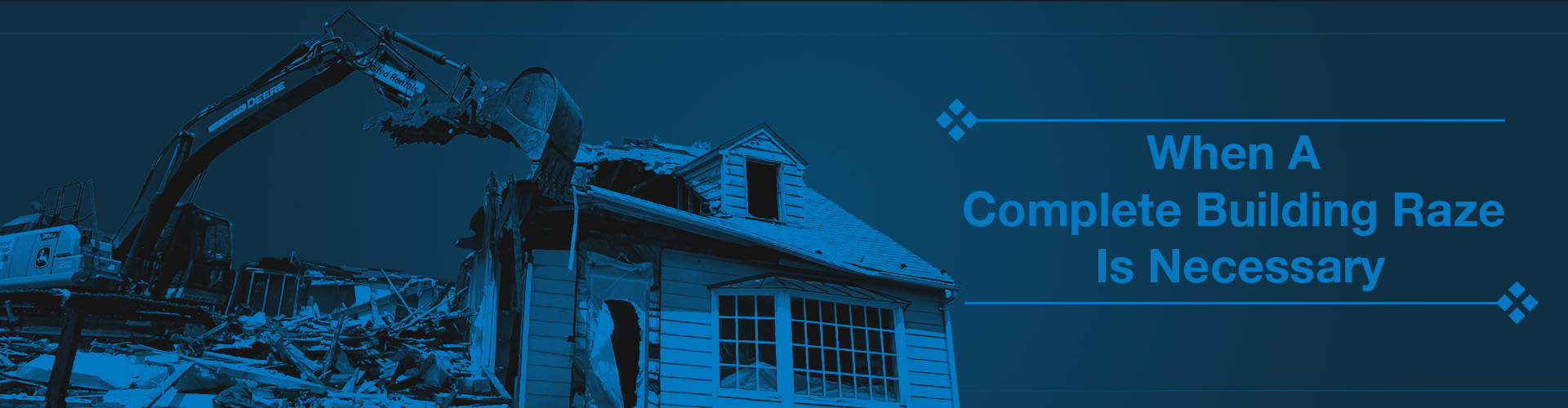
When Is a Complete Building Raze Necessary?
A complete building raze involves demolishing an entire structure to prepare a property for redevelopment, reconstruction, or another use. Property owners, developers, and general contractors may need to raze a building when structural deterioration, extensive damage, environmental hazards, or redevelopment plans make full demolition the most practical solution. However, a successful building raze requires careful planning before demolition crews begin work. Property owners and contractors must evaluate structural conditions, identify hazardous materials, secure permits, disconnect utilities, and coordinate environmental remediation when necessary. Understanding these requirements early helps project teams avoid costly delays, maintain regulatory compliance, and prepare properties efficiently for future construction.
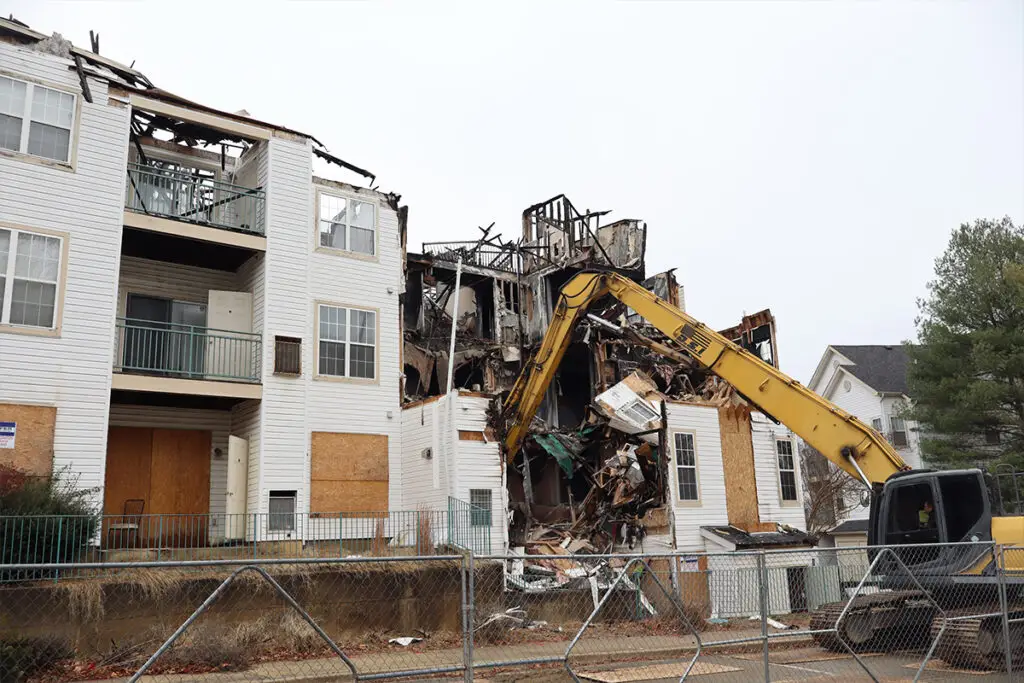
1. Severe Structural Damage or Deterioration
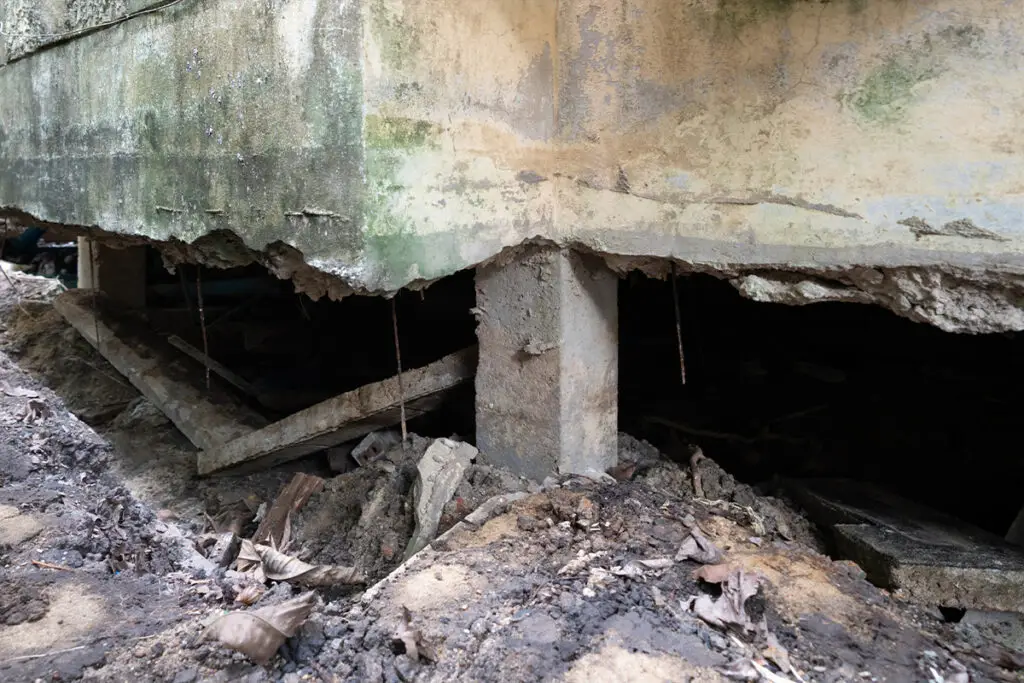
Buildings can experience significant structural deterioration through prolonged water intrusion, foundation settlement, corrosion, material fatigue, and inadequate maintenance. Over time, these conditions can weaken load-bearing walls, floor systems, columns, and other structural components that support the building. When deterioration affects multiple structural systems, property owners may face extensive repairs that require temporary shoring, structural reinforcement, or replacement of major building components. In some cases, the cost and complexity of restoring the structure can make complete demolition a more practical solution.
Real-World Example: Champlain Towers South, Surfside, Florida
In June 2021, a portion of the 12-story Champlain Towers South condominium collapsed in Surfside, Florida. Officials subsequently ordered the controlled demolition of the remaining structure because its instability threatened rescue operations and surrounding areas. The incident demonstrates why serious structural instability can require complete demolition to protect workers, neighboring properties, and the public. Before beginning demolition, property owners and contractors must evaluate the building’s structural condition. OSHA’s demolition preparatory operations standard requires a competent person to complete an engineering survey that assesses structural components and the potential for unplanned collapse.
2. Extensive Fire, Storm, or Natural Disaster Damage
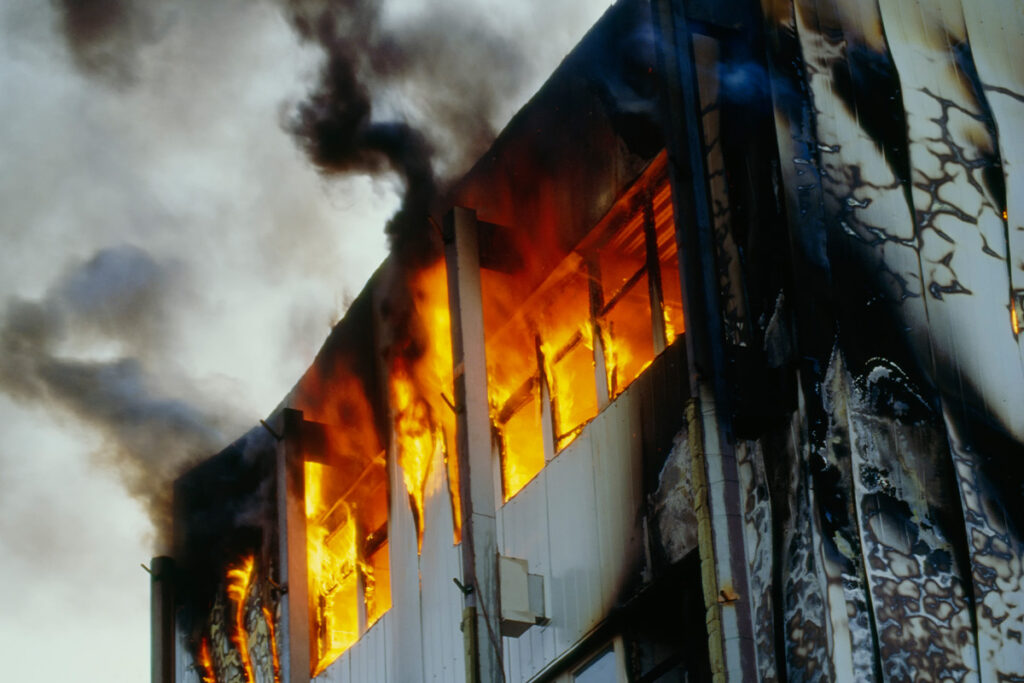
Fires, hurricanes, flooding, severe storms, and other disasters can damage structural components and building systems beyond practical repair. High temperatures can weaken structural steel and concrete, while prolonged flooding can damage foundations, electrical systems, insulation, and interior building materials.
Disaster-related damage can also introduce additional environmental concerns. For example, a fire may disturb asbestos-containing materials or spread contaminated debris throughout a building. Flooding may introduce sewage, chemical contaminants, and moisture that complicate restoration activities. Property owners and insurance carriers must evaluate the extent of structural and environmental damage before selecting a restoration or demolition approach. When multiple building systems require replacement, a complete building raze may offer a more efficient solution.
Real-World Example: Baldwin Home, Lahaina, Hawaii
The 2023 Lahaina wildfire severely damaged the historic Baldwin Home and weakened its remaining masonry walls. In March 2026, additional severe weather caused part of the structure to collapse. The Lahaina Restoration Foundation subsequently planned to carefully dismantle the remaining structure and reconstruct the building. This example demonstrates how multiple disasters can compound structural damage and require extensive removal, even when property owners initially intend to restore a building. For disaster-damaged properties, OSHA’s demolition requirements emphasize structural evaluations, hazard identification, and appropriate safeguards before demolition begins.
3. Commercial Redevelopment and New Construction
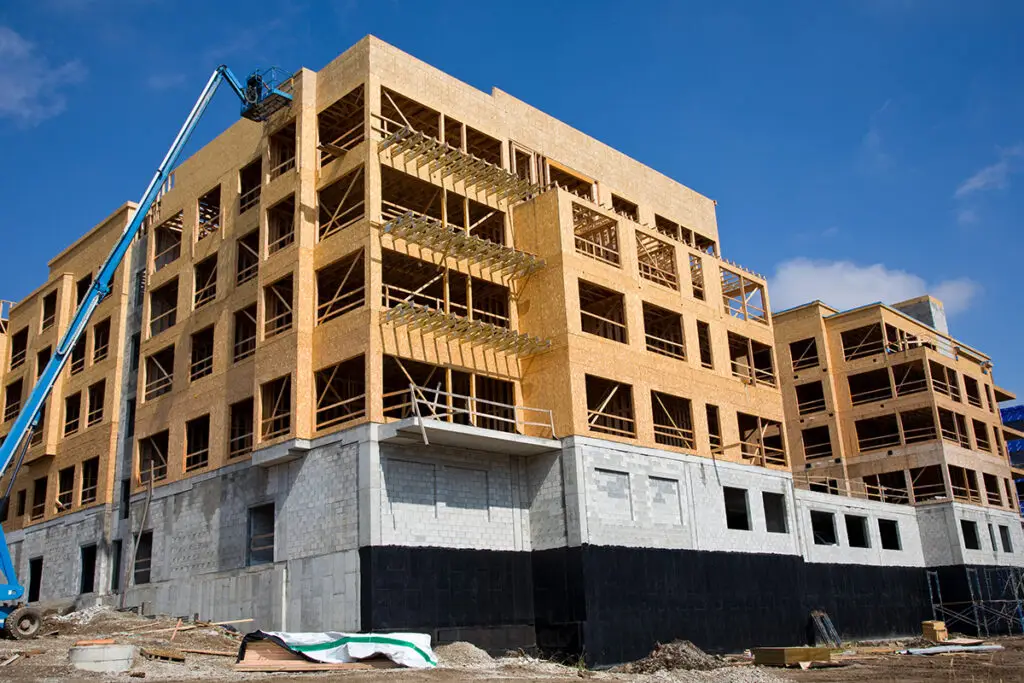
Developers often pursue complete building razes when existing structures no longer support a property’s intended use. Older commercial buildings, vacant industrial facilities, and outdated institutional properties may occupy sites that developers plan to convert into new commercial, residential, educational, or mixed-use developments. In these situations, the existing building may limit site access, restrict the layout of new construction, or prevent developers from maximizing the property’s usable space. A complete building raze allows the development team to implement a new site plan without accommodating the existing structure.
Before demolition, developers should evaluate zoning requirements, environmental conditions, utility infrastructure, and potential restrictions on the property. These assessments help determine whether the redevelopment project requires hazardous materials abatement, selective demolition, or additional site remediation.
Real-World Example: Minnie Howard Campus, Alexandria, Virginia
ACM Services, Inc. performed asbestos abatement and a complete building raze at the 210,000-square-foot Minnie Howard Campus in Alexandria, Virginia. The project demonstrates how institutional redevelopment can require contractors to coordinate environmental remediation and structural demolition within the same project scope. By performing both services, ACM helped address hazardous building materials while supporting the site’s redevelopment requirements. Read the full Minnie Howard Campus asbestos abatement and building raze case study to learn more about ACM’s work on this project.
4. Extensive Environmental Contamination or Hazardous Materials
Commercial and industrial buildings may contain asbestos, lead, PCBs, chemical residues, and other hazardous substances that complicate renovation or continued occupancy. Older manufacturing facilities, laboratories, and institutional buildings may also contain specialized equipment, contaminated ductwork, and process systems that require professional decommissioning.
When contamination affects large portions of a structure, property owners must evaluate the cost of environmental remediation alongside the building’s remaining useful life. Extensive contamination can make rehabilitation significantly more complicated, particularly when contractors must remove major building components to access hazardous materials.
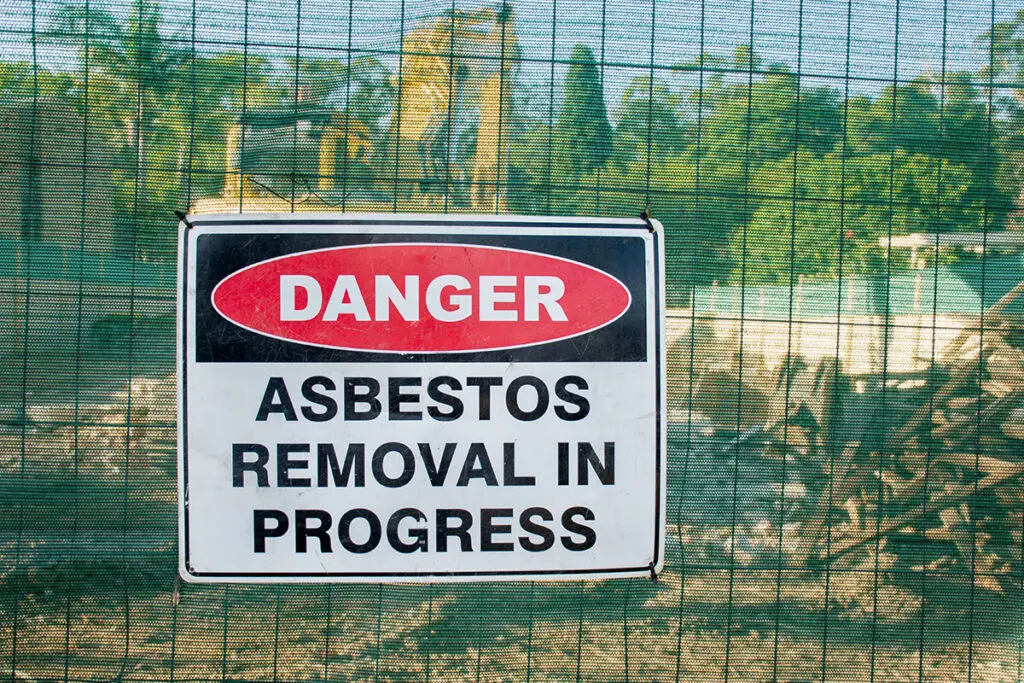
Although hazardous materials alone do not necessarily justify a complete building raze, widespread contamination may influence the decision when owners also face substantial structural repairs or redevelopment requirements.
Real-World Example: Love Canal, Niagara Falls, New York
Industrial chemical contamination at Love Canal prompted widespread residential relocation and a major environmental cleanup effort. Government agencies acquired and demolished numerous affected homes and other structures near the contaminated landfill as part of the broader response. The project demonstrates how extensive environmental contamination can make demolition a component of a comprehensive remediation strategy. Before demolition, qualified professionals should identify regulated materials and establish appropriate removal procedures. The EPA’s asbestos NESHAP regulations establish inspection, notification, and removal requirements for applicable demolition projects.
5. Renovation Costs Exceed the Financial Benefits of Preservation
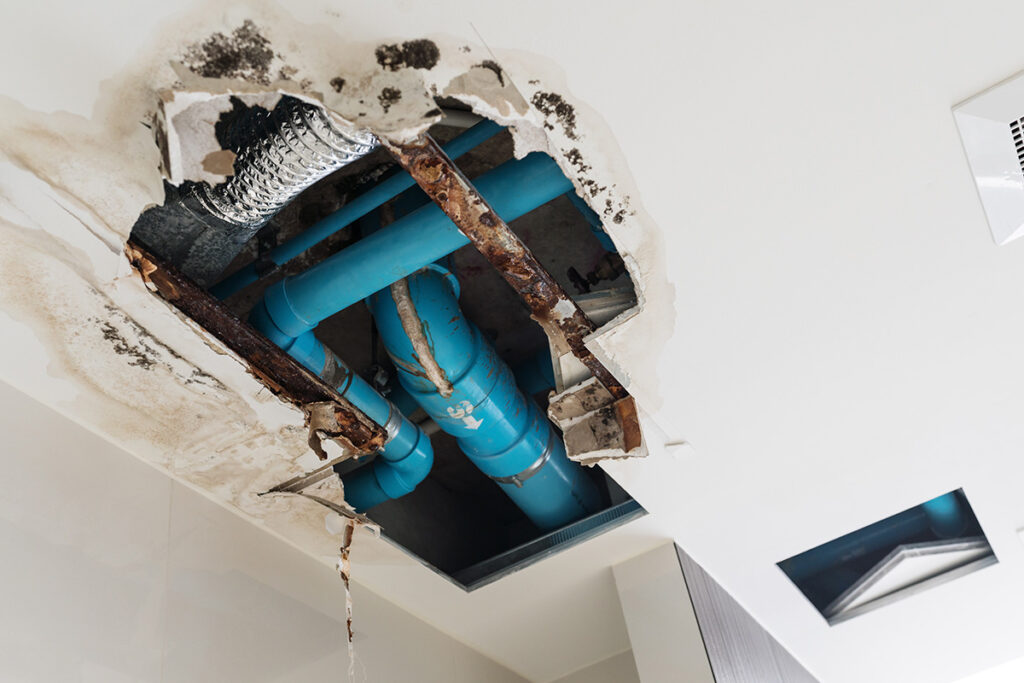
A building may remain structurally repairable while requiring extensive renovations that make continued investment financially impractical. Aging properties often require simultaneous improvements to roofing, mechanical systems, electrical infrastructure, plumbing, fire protection, and structural components. Property owners must also account for hazardous materials removal, construction labor, design changes, and potential disruptions to building operations. As contractors uncover additional deficiencies, renovation costs may increase beyond the original project budget.
A complete building raze may offer a more predictable redevelopment strategy when owners determine that new construction provides better long-term value than restoring the existing building.
Real-World Example: Original Pennsylvania Station, New York City
During the early 1960s, the Pennsylvania Railroad faced declining passenger revenues and substantial costs associated with maintaining its monumental Manhattan terminal. Railroad executives pursued redevelopment of the valuable property, allowing construction of Madison Square Garden and commercial facilities above the station’s tracks. Demolition began in 1963. The decision reflected financial pressures and redevelopment opportunities rather than an unavoidable structural failure. The project’s controversial outcome also helped strengthen the historic preservation movement in New York City. This example highlights the importance of comparing renovation and demolition costs while considering a building’s historical significance and potential for adaptive reuse.
6. Outdated Building Systems and Functional Obsolescence
Older buildings may no longer accommodate modern operational requirements, even when their primary structural components remain sound. Commercial properties may lack adequate electrical capacity, efficient HVAC systems, modern fire protection infrastructure, or the floor layouts that current occupants require.
Industrial facilities can face similar challenges when their existing structural configurations cannot accommodate modern manufacturing equipment, production workflows, or material handling systems.
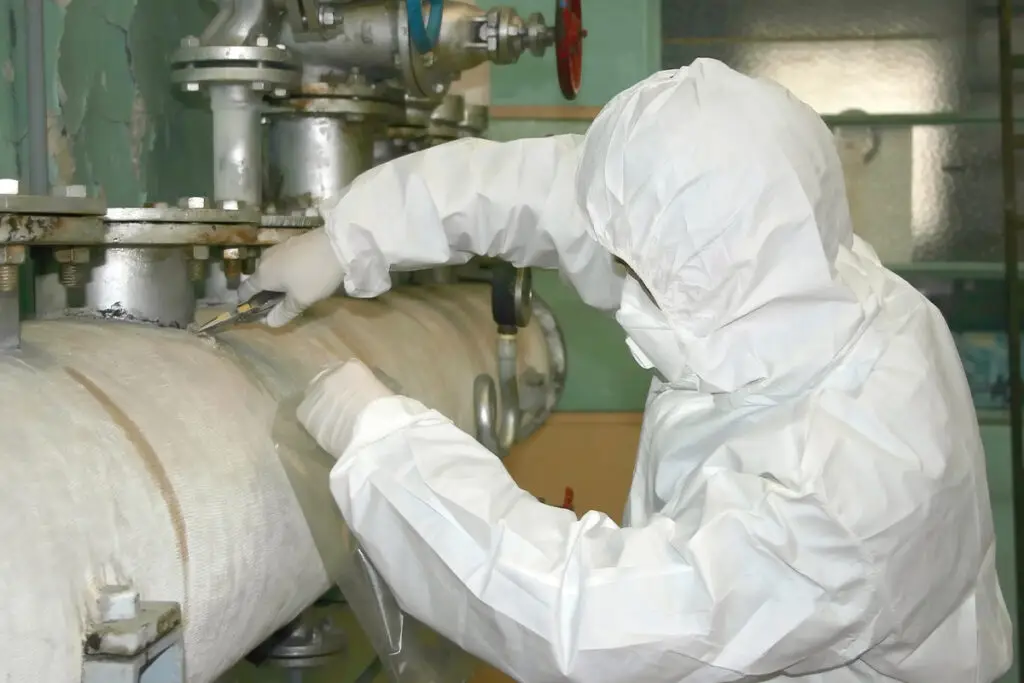
In some cases, property owners can address these limitations through renovations or selective demolition. However, buildings that require extensive reconstruction of mechanical systems, floor assemblies, structural components, and interior layouts may become candidates for complete demolition.
Real-World Example: Fantus Clinic, Chicago, Illinois
Cook County demolished the Fantus Clinic in 2018 as part of a major healthcare campus modernization initiative. The clinic had served patients for nearly 60 years before Cook County Health transferred its functions to a modern facility. The project illustrates how institutional property owners may replace aging buildings to improve operations, accommodate modern facilities, and support broader campus improvements. Property owners should evaluate whether renovations can realistically support their operational requirements before committing to major structural modifications or demolition.
7. Building Code Violations or Unsafe Property Conditions
Municipal building departments may identify unsafe conditions in buildings that suffer extensive deterioration, structural instability, or prolonged neglect. These conditions can create risks for occupants, neighboring properties, and the public. Depending on local regulations, authorities may require property owners to repair, secure, vacate, or demolish structures that present significant safety hazards. A demolition order may become necessary when owners cannot correct dangerous conditions within the applicable requirements. Local authorities generally evaluate each property’s circumstances before determining the appropriate corrective action.

Real-World Example: 324 Main Street, Davenport, Iowa
In May 2023, a portion of the apartment building at 324 Main Street in Davenport, Iowa, collapsed. Following the incident, city officials worked with engineers and demolition contractors to assess the remaining structure and coordinate its removal. The project demonstrates why structural failures and unsafe property conditions may require authorities to order demolition to protect surrounding properties and the public. Property owners should consult local building officials and qualified engineers to understand applicable violations, corrective actions, and demolition requirements.
8. Floodplain Regulations and Repeated Flood Damage
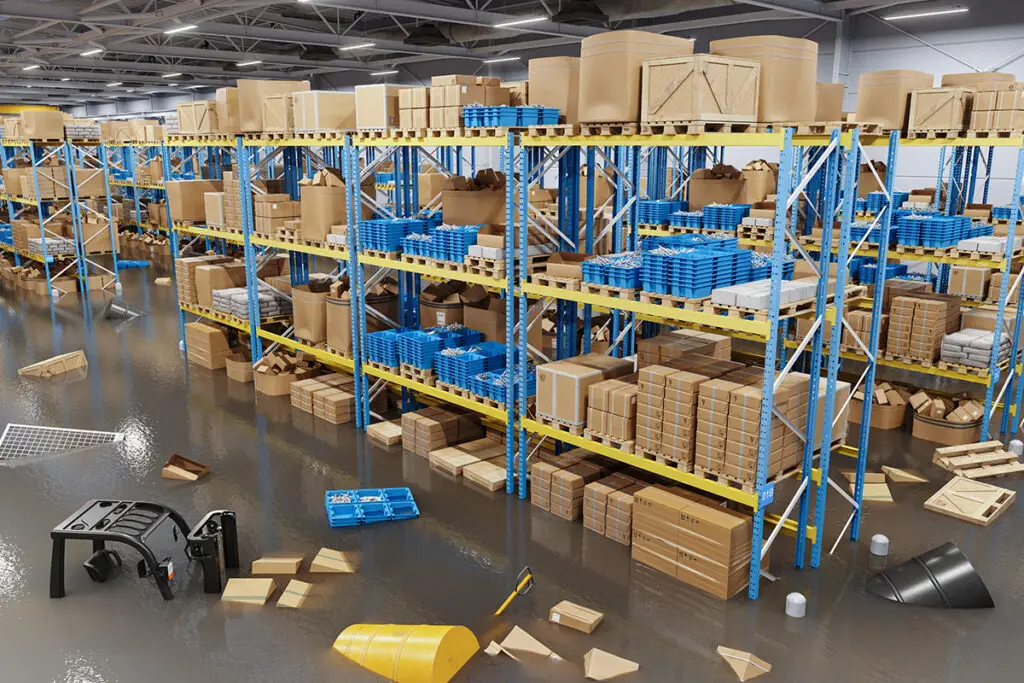
Properties in flood-prone areas may face additional challenges when owners attempt to repair or rehabilitate substantially damaged buildings. Under the National Flood Insurance Program’s minimum floodplain management standards, a building in a regulated flood hazard area generally qualifies as substantially damaged when repair costs equal or exceed 50% of the structure’s pre-damage market value. Local governments may enforce stricter requirements. When a building meets the substantial damage threshold, the owner must bring the structure into compliance with applicable floodplain regulations. Depending on the building’s condition and location, compliance may require elevation, floodproofing where permitted, relocation, or demolition.
9. Abandoned, Vacant, or Severely Neglected Properties
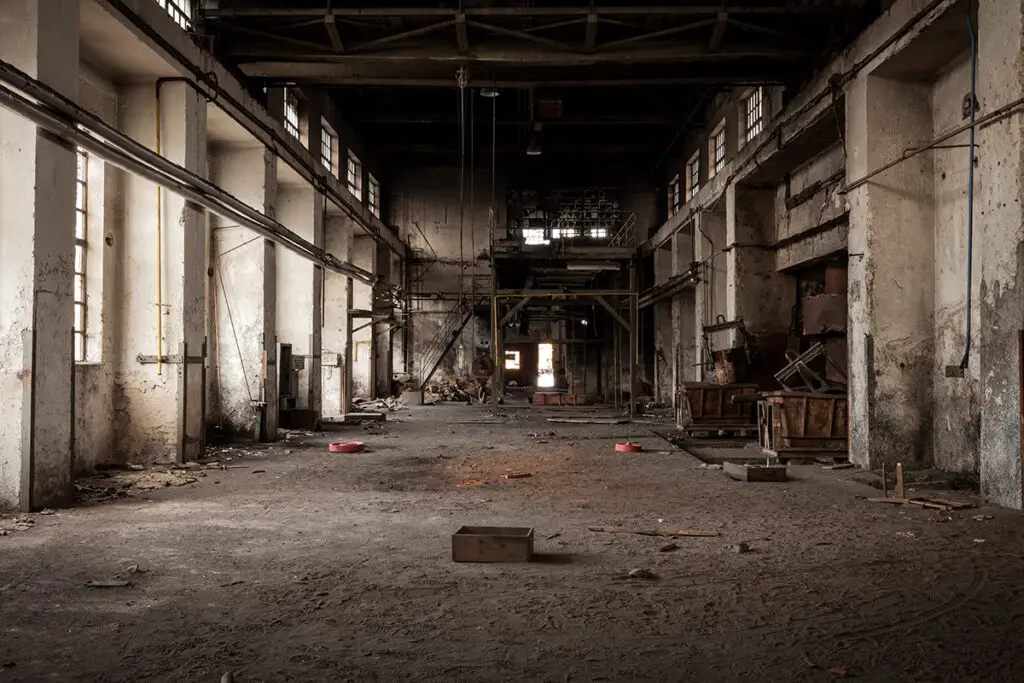
Buildings that remain vacant for extended periods can experience accelerating deterioration as moisture intrusion, vandalism, unauthorized occupancy, and neglected maintenance affect their condition. Vacant commercial and industrial properties may also contain deteriorating roofing systems, exposed utilities, unsecured openings, and hazardous materials that complicate rehabilitation.
Property owners and municipalities may consider complete demolition when the building presents ongoing safety concerns, attracts repeated unauthorized activity, or no longer offers a financially viable opportunity for reuse.
Real-World Example: Packard Automotive Plant, Detroit, Michigan
After years of abandonment and deterioration, Detroit officials ordered demolition of hazardous sections of the former Packard Automotive Plant. Falling masonry and deteriorating structural components threatened neighboring properties, including an occupied business connected to the former factory. The city began emergency demolition in September 2022 and expanded removal activities in 2023. The project demonstrates how prolonged neglect can create public safety hazards that eventually require extensive demolition.
The City of Detroit’s official demolition announcement documents the structural hazards and precautions that contractors took to protect neighboring properties.
10. Major Infrastructure Expansion or Site Reconfiguration
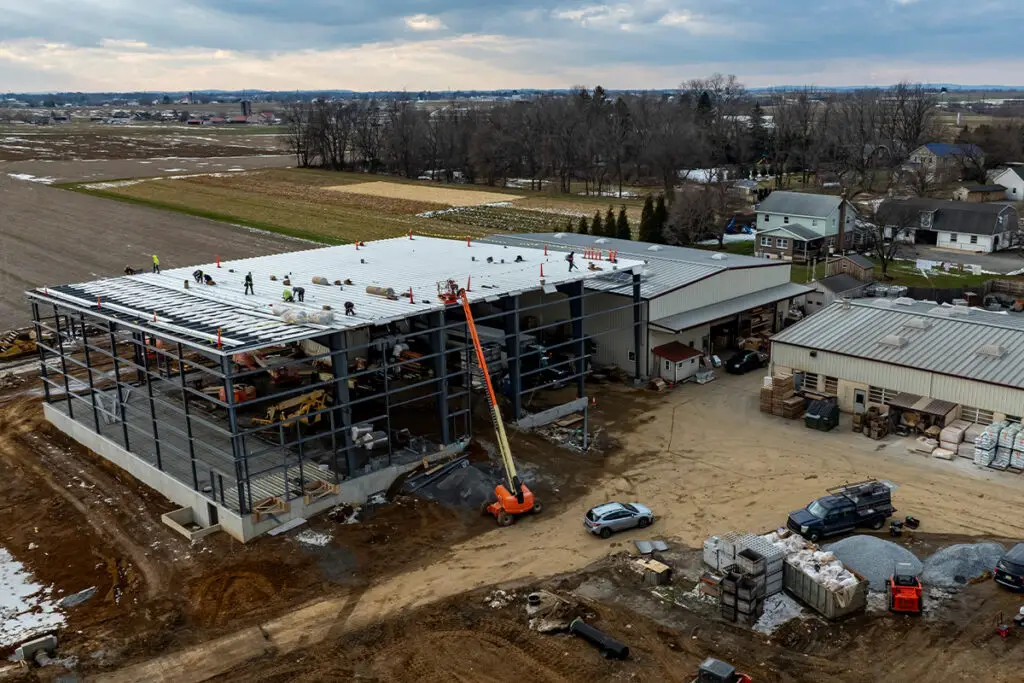
Transportation improvements, utility expansion, institutional development, and large-scale construction projects may require the removal of existing buildings to accommodate new infrastructure.
For example, a property owner or public agency may need to clear structures to expand a roadway, construct a new facility, install major utilities, or reorganize a commercial or industrial campus.
In these situations, the project team may select a complete building raze because the existing structure conflicts with the approved development plan.
Real-World Example: Maryland Purple Line, Maryland
Construction of Maryland’s Purple Line light rail system required contractors to remove existing structures along portions of the planned transit corridor. Demolition activities supported construction access, utility coordination, and development of the new transportation infrastructure. The project illustrates how public infrastructure improvements can require building demolition even when the existing structures remain functional. Infrastructure-related demolition may involve additional permitting, environmental reviews, utility coordination, and protections for adjacent properties. Projects involving historic buildings may also trigger reviews under Section 106 of the National Historic Preservation Act when federal involvement meets the law’s requirements. Learn more about the Maryland Purple Line project and the National Park Service’s historic preservation guidance.
Planning Ahead for a Safe and Efficient Building Raze
A complete building raze requires careful planning, coordination, and an understanding of the property’s structural and environmental conditions. Whether a project involves redevelopment, extensive structural damage, hazardous materials, or aging infrastructure, property owners and contractors should evaluate the building’s condition, regulatory requirements, and potential demolition challenges before beginning work.
Early due diligence helps project teams identify hazardous materials, coordinate utility disconnections, secure necessary permits, and establish a safe demolition plan. When projects require both environmental remediation and structural demolition, coordinating these services can streamline scheduling, reduce delays, and prepare the property more efficiently for its next use. With over 34 years of experience, ACM Services, Inc. provides turnkey environmental remediation and demolition services to help property owners, developers, and general contractors safely and efficiently complete complex demolition projects. Contact ACM Services to discuss your upcoming building raze and environmental remediation needs.