
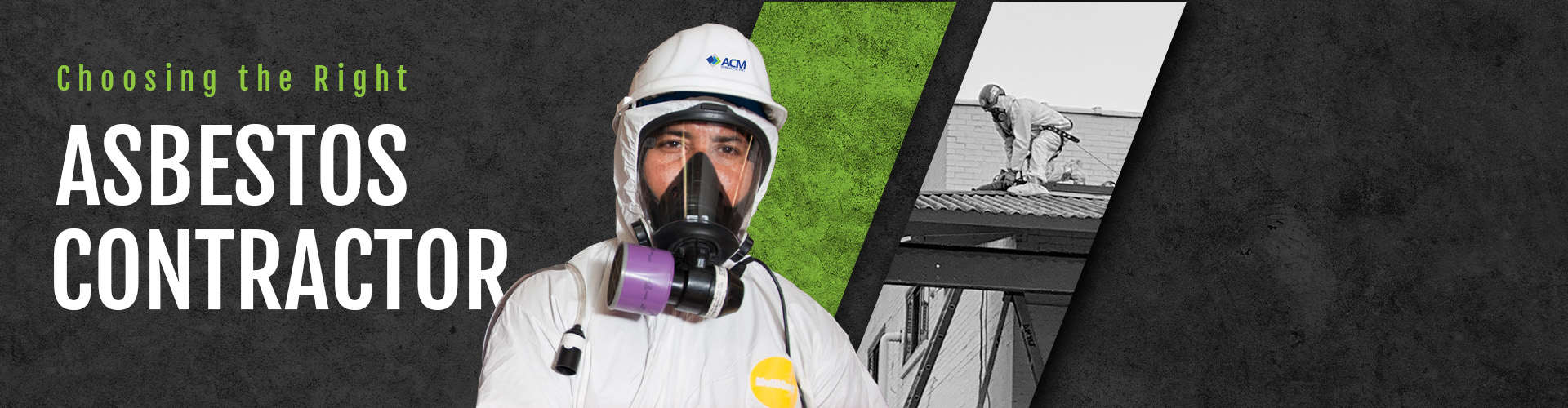
What Qualifications Should a Commercial Asbestos Removal Contractor Have in North Carolina?
Hiring a qualified asbestos removal contractor is an important step in planning a commercial renovation, demolition, or property redevelopment project. The right contractor can help maintain regulatory compliance, protect workers and building occupants. The right contractor is also a good way to keep construction schedules moving. North Carolina maintains specific requirements for asbestos professionals, including state accreditation, worker training, and project permitting. Understanding these requirements can help commercial clients evaluate contractors, compare proposals, and make informed decisions before work begins. Whether you’re renovating an office building in Raleigh, preparing an industrial facility in Durham for demolition, or managing improvements at a commercial property elsewhere in North Carolina, consider these seven qualifications when selecting an asbestos abatement contractor.
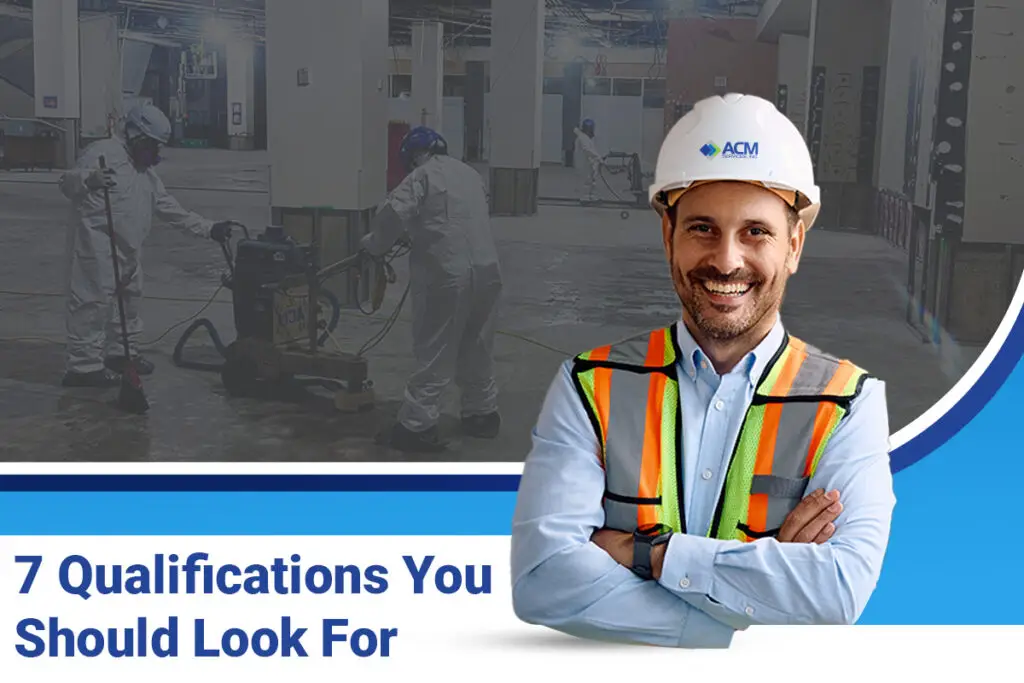
1. Verify North Carolina Asbestos Accreditation
Understanding State Accreditation Requirements
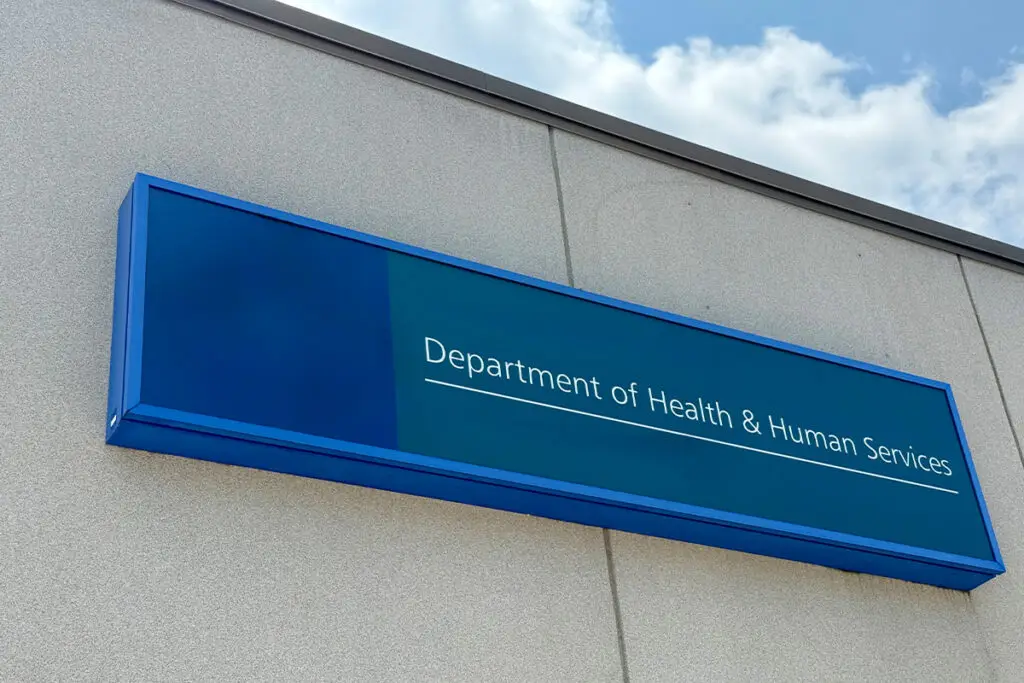
The North Carolina Department of Health and Human Services (NCDHHS) regulates asbestos management activities through its Health Hazards Control Unit (HHCU). The state requires individuals performing regulated asbestos activities to hold appropriate accreditation under North Carolina law, subject to applicable exemptions.
North Carolina establishes separate accreditation categories for asbestos workers, supervisors, inspectors, project designers, and air-monitoring professionals.
Each category addresses specific responsibilities associated with asbestos inspection, removal, and project oversight.
When evaluating commercial asbestos removal contractors, request current accreditation information for the supervisors and workers assigned to your project. You can also consult the NCDHHS Asbestos Hazard Management Program for accreditation information and regulatory guidance.
Verifying these credentials early helps property owners and construction managers select qualified professionals and plan their projects according to state requirements.
2. Evaluate OSHA Compliance and Worker Safety Procedures
How Qualified Contractors Control Asbestos Exposure
Commercial asbestos abatement requires careful planning and procedures that protect workers, occupants, and surrounding construction activities. Contractors must follow applicable Occupational Safety and Health Administration (OSHA) regulations when handling asbestos-containing materials.
The OSHA asbestos standard for construction, 29 CFR 1926.1101, establishes requirements for asbestos-related construction, renovation, demolition, and maintenance activities. These requirements address worker training, exposure assessments, respiratory protection, engineering controls, and regulated work areas.
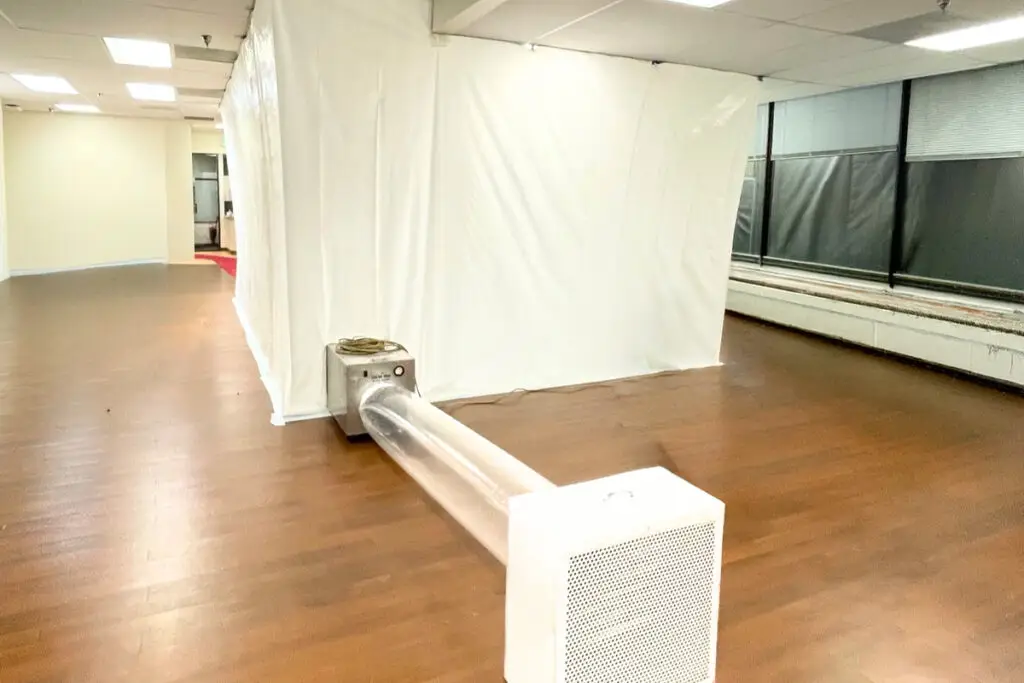
Depending on the materials and project conditions, asbestos abatement teams may establish containment areas, use negative-pressure ventilation systems, implement wet removal methods, and follow controlled decontamination procedures. Contractors should also assign appropriately trained personnel to supervise work and maintain compliance throughout the project. For commercial properties in Raleigh and the Research Triangle, these procedures become especially important when asbestos removal takes place near occupied offices, operating facilities, or other active construction work.
Before hiring a contractor, ask how the company evaluates potential exposure, establishes containment, trains employees, and monitors jobsite conditions. Contractors with established safety programs should be able to explain how they adapt their procedures to the specific hazards and operational requirements of your property.
3. Understand North Carolina Asbestos Permits and Notifications
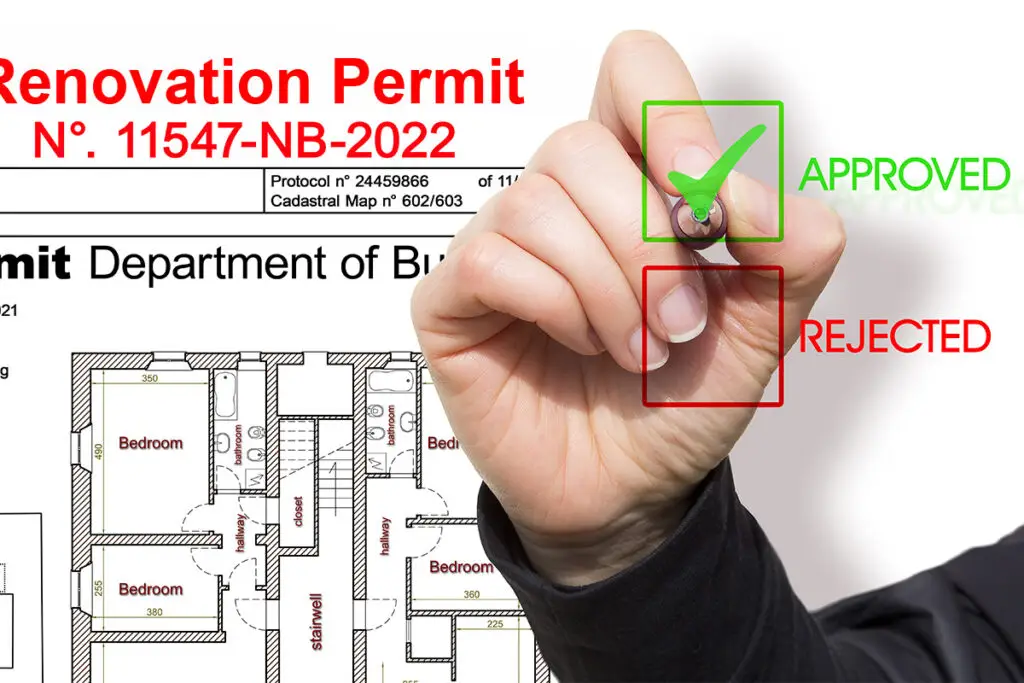
Planning for State and Local Regulatory Requirements
North Carolina regulates asbestos removal and demolition through permitting, inspection, and notification requirements. Commercial property owners and general contractors should account for these requirements during early project planning to help prevent avoidable scheduling disruptions.
For projects subject to North Carolina’s asbestos removal permitting requirements, the state generally requires a permit when contractors plan to remove more than 160 square feet, 260 linear feet, or 35 cubic feet of regulated asbestos-containing material. Applicable removal permit applications generally require submission at least 10 working days before work begins, with specific exceptions and procedures for certain circumstances.
North Carolina also requires asbestos inspections before covered demolition and renovation activities. Additionally, covered facility demolitions generally require notification even when an inspection identifies no asbestos-containing materials.
The NCDHHS guidance for demolition and renovation projects outlines the state’s asbestos-related requirements and helps property owners understand their responsibilities.
Additional Considerations for Raleigh Commercial Properties
Commercial projects in Raleigh, Durham, Cary, and surrounding communities may also require local building or demolition permits. These local approvals serve different purposes from state asbestos permits and notifications. A qualified contractor should identify the asbestos-related requirements that apply to the project, explain the necessary documentation, and coordinate regulated removal activities with the broader construction schedule. For property owners planning substantial renovations or redevelopment, early coordination between the asbestos contractor, general contractor, and relevant permitting authorities can help establish a more predictable project timeline.
4. Review Insurance Coverage and Safety Performance
Evaluating Contractor Risk Management
Insurance coverage and documented safety performance provide valuable information when comparing commercial asbestos abatement contractors. Before awarding a contract, request a current certificate of insurance and confirm that the contractor maintains coverage appropriate for the proposed scope of work.
Commercial clients should review general liability insurance, workers’ compensation coverage, and applicable pollution liability protection. Because asbestos abatement involves regulated hazardous materials, property owners should also confirm that policy terms address the activities included in the project.

Beyond insurance, examine the contractor’s safety performance and employee training programs. One useful measurement is the Experience Modification Rate (EMR), which reflects a company’s workers’ compensation claims experience relative to expected losses for comparable businesses. An EMR below 1.0 generally indicates better-than-expected claims experience. However, property owners should evaluate this measurement alongside incident history, employee training, and established jobsite safety practices. Ask prospective contractors how they conduct safety inspections, communicate hazards, supervise employees, and address changing site conditions. These conversations can provide insight into how a contractor manages risk throughout a commercial asbestos removal project.
5. Look for Experience With Commercial Asbestos Abatement
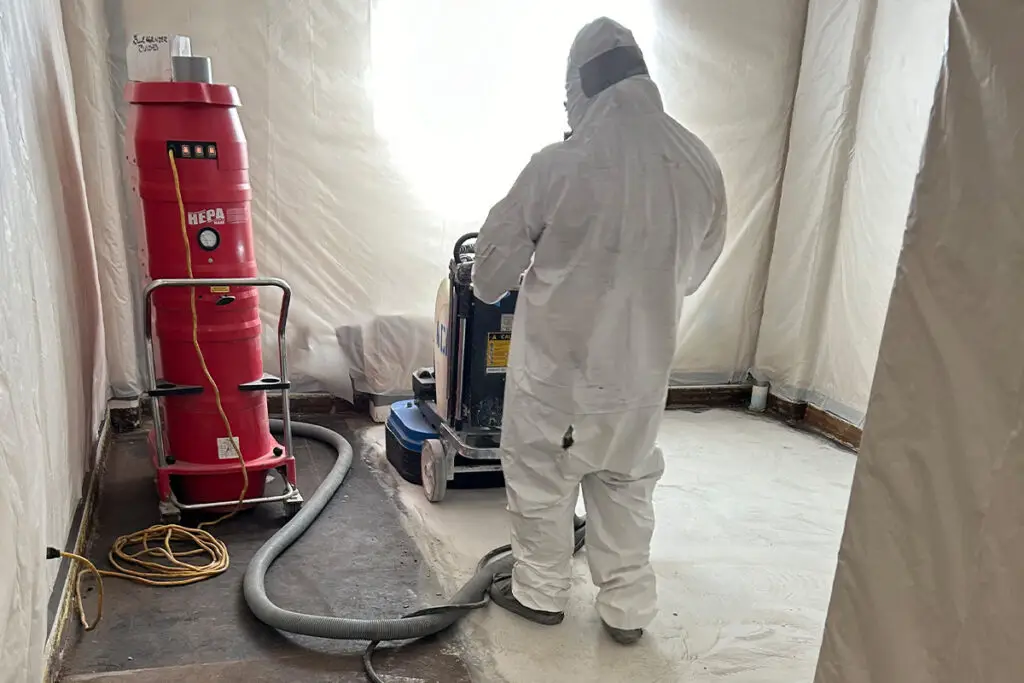
Why Project Scope and Building Conditions Matter
Commercial asbestos removal projects vary considerably in size, complexity, and operational requirements. Removing asbestos-containing flooring from a vacant office building involves different considerations than removing pipe insulation from an operating industrial facility or preparing a healthcare property for demolition.
When evaluating contractors, review their experience with properties that resemble your project. Consider the types of asbestos-containing materials they have removed, the building environments they have worked in, and their ability to coordinate with other construction activities.
Commercial property owners should also ask how contractors manage scheduling, equipment access, containment requirements, and unexpected changes in scope. These factors can influence project duration and coordination with other trades.
Coordinating Asbestos Removal With Commercial Demolition
Asbestos abatement often plays an important role in preparing commercial properties for renovation or demolition. Depending on the building and applicable regulations, contractors may need to remove regulated asbestos-containing materials before demolition crews begin their work.
Projects that involve both environmental remediation and demolition benefit from early coordination between the teams responsible for each phase. Clear sequencing helps contractors plan access, establish containment areas, manage waste, and prepare the property for subsequent construction activities.
For example, ACM Services, Inc. completed a large-scale asbestos abatement project at The Ring Building in Washington, D.C., a 14-story commercial property encompassing approximately 200,989 square feet. The project involved removing 36,000 square feet of floor tile and mastic, 48,000 square feet of plaster, 2,500 linear feet of pipe insulation, and 3,000 square feet of ceramic tile grout. ACM conducted the work under full containment while following applicable environmental regulations. This project illustrates how commercial asbestos removal requires careful planning, specialized containment procedures, and experience managing multiple hazardous materials across large building areas.
Projects like this demonstrate how building age, material conditions, and redevelopment objectives can influence the scope of commercial asbestos abatement. Property owners can explore additional examples of environmental remediation and demolition work through ACM Services’ featured projects.
6. Ask About Independent Asbestos Testing and Clearance
Establishing the Scope Before Removal Begins
A successful asbestos abatement project begins with a clear understanding of the materials present in the building. Before covered renovation or demolition activities, a properly accredited asbestos inspector should evaluate the affected areas and arrange appropriate sampling and laboratory analysis. These inspections help identify asbestos-containing materials, document their locations, and determine which materials may require removal or other controls before construction begins. For commercial property owners, independent environmental consultants can provide valuable support during this process.
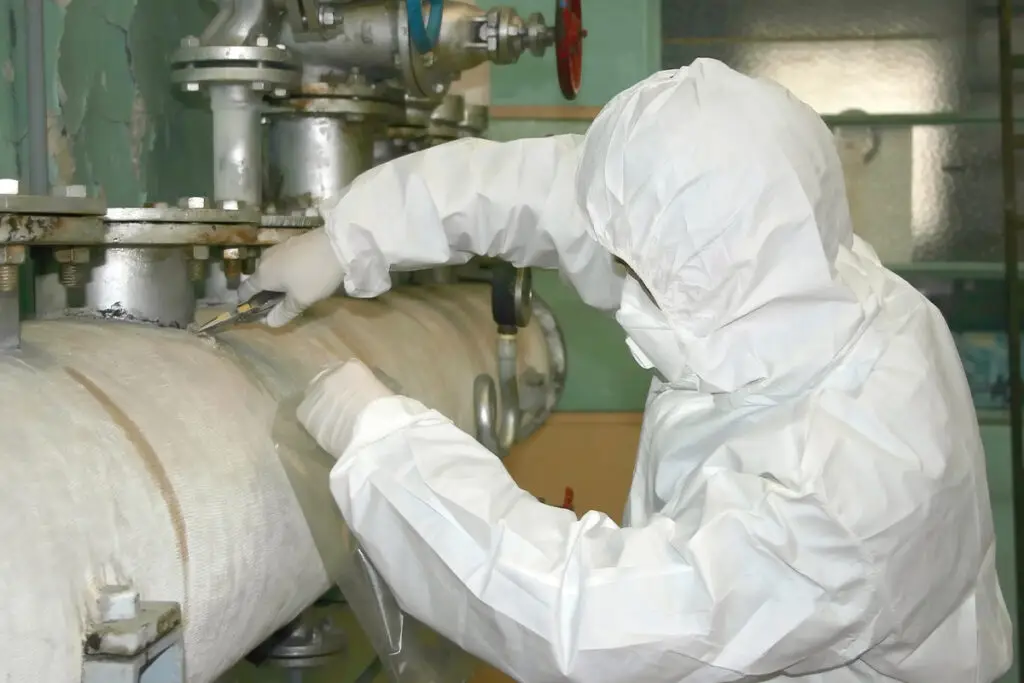
Third-party inspections help establish the project scope and provide documentation that general contractors can use during planning and procurement.
Verifying Completion Through Independent Clearance
Following asbestos removal, applicable clearance procedures help determine whether the contractor has completed the work according to project requirements. Depending on the type of project and applicable regulations, these procedures may include visual inspections, air monitoring, and laboratory analysis. ACM recommends using qualified independent environmental consultants for pre-abatement inspections and appropriate post-abatement clearance services. Independent oversight can help property owners verify project conditions and maintain documentation for future property management or construction activities.
Before work begins, ask prospective contractors who will perform the initial inspection, how they will coordinate with independent testing professionals, and what documentation they will provide at project completion.
7. Compare Commercial Asbestos Removal Proposals Carefully
Understanding What Your Estimate Includes
Commercial asbestos removal costs depend on several factors, including the type and quantity of asbestos-containing materials, building accessibility, containment requirements, disposal procedures, and project scheduling. When comparing contractor proposals, review the scope of work carefully to determine whether each estimate addresses the same project requirements. A comprehensive proposal should describe the materials and areas involved, anticipated removal methods, containment procedures, waste management responsibilities, and estimated project timeline. It should also explain applicable permit responsibilities, exclusions, and procedures for addressing changes in scope.

For commercial properties undergoing renovation or redevelopment, coordination with other trades can also influence project costs. Contractors should explain how their work fits into the overall construction schedule and identify any dependencies that could affect subsequent activities. Clear estimates and documented expectations help property owners evaluate the full scope of the project and make informed decisions about contractor selection.
Choosing a Commercial Asbestos Removal Contractor in Raleigh and North Carolina
Selecting a qualified asbestos removal contractor requires careful consideration of state accreditation, regulatory knowledge, safety performance, commercial experience, and project management capabilities.
For general contractors, developers, and property managers throughout Raleigh, Durham, Chapel Hill, and the broader Research Triangle, evaluating these qualifications early can help establish clear expectations and support efficient project planning.
Asbestos abatement contractors should be prepared to explain their approach, document their qualifications, and coordinate with property owners and construction teams throughout the project.
Commercial Asbestos Abatement Services in North Carolina
Since 1990, ACM Services, Inc. has provided environmental remediation and demolition services for commercial, industrial, and residential properties. Through its Raleigh-area operations, ACM supports clients throughout North Carolina with asbestos abatement, hazardous material removal, and coordinated demolition projects.
For property owners preparing for renovation, restoration, or redevelopment, experienced environmental contractors can help identify project requirements and develop removal strategies that align with construction objectives.
Learn more about ACM’s environmental remediation and demolition services in Raleigh, North Carolina, or contact our team to discuss the scope of an upcoming commercial asbestos removal project.